Emergency HVAC Repair Omaha: 2026 Costs & Response Times
Emergency HVAC Repair Omaha: 2026 Costs & Response Times
⏱️ 14 min read · Last updated: 2026
- Average emergency service call fee in the Omaha metro area ranges from $150 to $350, with after-hours rates often 1.5x the standard fee.
- Typical after-hours response time for a no-heat call in the Omaha, Bellevue NE, and Papillion NE areas is 60 to 180 minutes, depending on company and weather severity.
- The safe indoor temperature threshold during a Nebraska winter emergency is 55°F (13°C) to prevent pipe freezing, per standard guidance.
- HVAC technicians in the Omaha, NE-IA Metropolitan Statistical Area earned an average (mean) hourly wage of $30.24 in May 2024 (BLS OEWS, 2024).
When your furnace quits at 2 AM in Omaha, knowing who to call for emergency HVAC repair is only half the equation. The real preparation involves understanding what to do in the first 30 minutes, how to avoid costly mistakes, and recognizing what constitutes a true HVAC emergency in Nebraska’s climate. This knowledge can save you hundreds and keep your family safe.
A homeowner in Benson learned this firsthand when her furnace stopped working last January. She called three companies at 11 PM. The first two offered vague “maybe tomorrow” windows. The third, a smaller local outfit with a strong reputation from neighborhood social media groups, dispatched a technician who arrived in 90 minutes with the necessary part already in the truck. That difference isn’t luck—it’s the result of setting up a system before the emergency hits. This story highlights the importance of being prepared for emergency hvac repair omaha situations.
Source: www.bls.gov
What Actually Counts as an HVAC Emergency in Omaha?
An HVAC issue becomes a true emergency in Omaha when it poses a direct risk to health, safety, or property, primarily due to extreme cold or heat. For example, a complete loss of heat when outdoor temperatures are below 20°F (-6°C) qualifies as an emergency. Similarly, a gas furnace odor, a non-functioning carbon monoxide detector, or a flooded AC unit require immediate attention. In contrast, a noisy system or minor temperature inconsistency can often wait for a scheduled appointment.
The line is drawn by Nebraska’s climate. An 80% efficient furnace making a rattling sound on a 45°F day is an annoyance you can schedule. However, the same sound on a -10°F wind-chill night becomes a potential carbon monoxide leak or complete failure waiting to happen. Your first priority is always safety: any smell of gas, electrical sparking, or a cracked heat exchanger (indicated by soot around the furnace) warrant calling 911 first, then your HVAC technician. According to the U.S. Department of Energy, recognizing these signs early is crucial for preventing disasters.
“The median annual wage for heating, air conditioning, and refrigeration mechanics and installers was $59,810 in May 2024 (U.S. Bureau of Labor Statistics). This reflects the skilled labor required for safe emergency diagnostics and repair.”
For homeowners in Omaha, Bellevue, Papillion, and the surrounding metro, the key indicators for a same day AC repair Omaha call in summer are similar: a complete system failure when heat indices exceed 100°F, especially for vulnerable individuals like the elderly or those with medical conditions. Think “health risk” first, “comfort” second. This approach applies to all emergency hvac repair omaha scenarios.
The First 30 Minutes: Your Action Plan Before the Tech Arrives
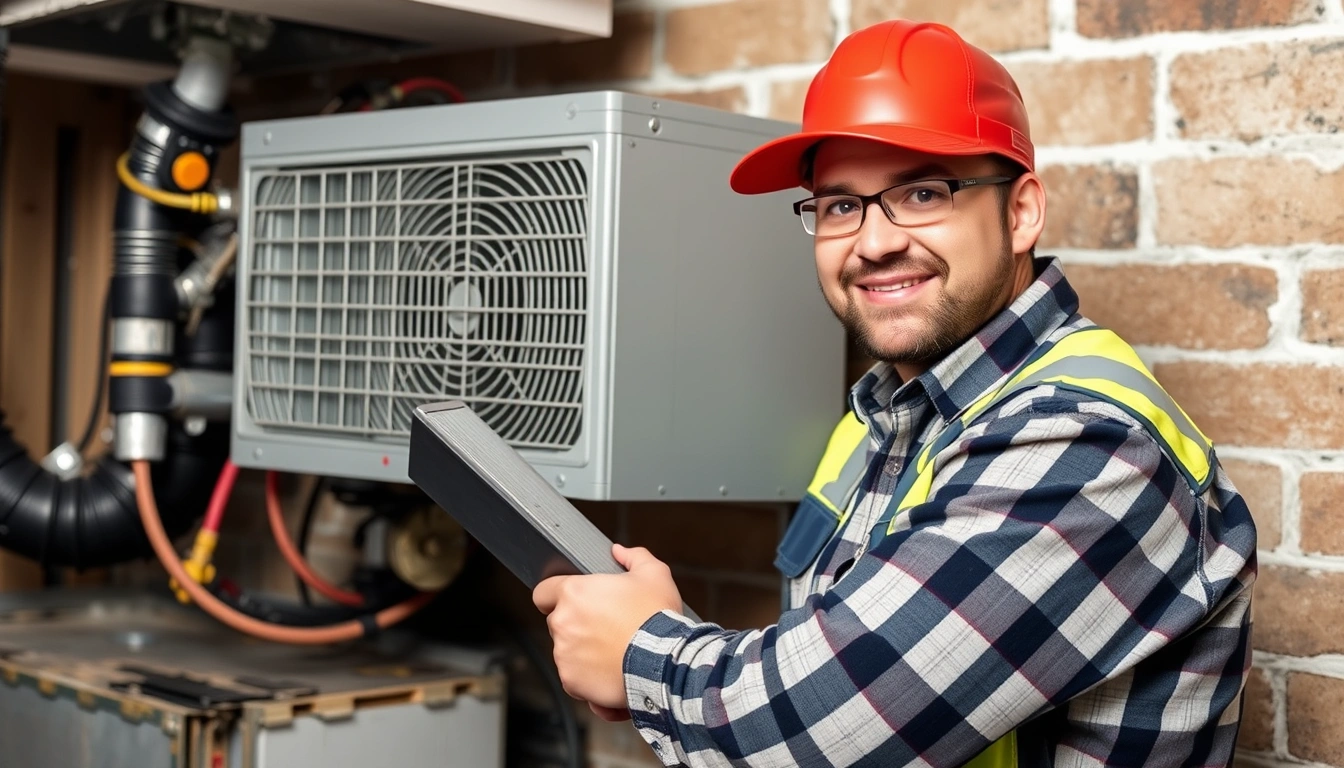
Once you’ve confirmed it’s an emergency and called for 24 hour furnace repair Omaha service, your immediate goal is to contain the problem and protect your home. To do this effectively, follow these five steps in order while you wait for assistance.
- Verify and reset: First, check that the thermostat is on “Heat” with the fan set to “Auto.” If it’s battery-powered, change the batteries. Then, go to your electrical panel, flip the furnace breaker off, wait 30 seconds, and flip it back on. This simple reset fixes about 15% of no-heat calls.
- Protect pipes from freezing: Next, open cabinet doors under sinks on exterior walls. Let both hot and cold water faucets on the lowest floor drip slowly. A running faucet, even a trickle, dramatically reduces pipe burst risk during a Nebraska cold snap.
- Concentrate heat: Additionally, close doors to unused rooms to keep warmth in. If you have a fireplace, use it—only if the damper is open and you have a working carbon monoxide detector in the room.
- Isolate the danger zone: If the furnace is making unusual noises (banging, screeching) or emitting an odd smell, turn it off at the breaker and keep everyone out of the utility room or basement until the technician arrives.
- Gather information: Finally, find your furnace’s model number and serial number (usually on a label inside the blower compartment). Note any error codes on the thermostat or a blinking LED on the furnace itself. This can slash diagnosis time and get you heat faster.
Realistic Response Times and 2026 Emergency Costs in Omaha
A true after-hours HVAC emergency call in the Omaha metro will typically cost between $150 and $350 for the service call alone, with repair or part costs added on top. This emergency fee covers the technician’s time to come to your home during nights, weekends, or holidays. For instance, if a simple fix like an ignitor or capacitor replacement is needed, your total bill might land between $300 and $600. A blower motor or compressor repair will be significantly more.
Response time is the critical variable. On a typical cold night, a reputable company with a good dispatch system can usually get a technician to most Omaha addresses within 60 to 180 minutes. However, during a city-wide cold snap or ice storm, when every furnace in town quits at once, that window can stretch to 4-6 hours or longer as demand overwhelms supply. Companies with larger fleets and multiple technicians on rotation handle surges better, which is why vetting them in advance is key for emergency hvac repair omaha preparedness.
| Scenario | Typical Cost Range | What’s Included |
|---|---|---|
| Standard after-hours diagnostic fee | $150 – $250 | Technician visit, diagnosis, and quote for repair. |
| Holiday/emergency premium (peak cold) | $250 – $350+ | Same as above, for Christmas Eve, major storm events. |
| Common repair add-ons (parts + labor) | $150 – $400 | Ignitor, flame sensor, capacitor, thermostat replacement. |
How to Vet an After-Hours HVAC Company Before You Need One
You cannot properly vet a contractor at midnight when you’re freezing. Therefore, the time to find and vet a reliable emergency HVAC provider in Omaha is on a sunny Tuesday afternoon. Do this research once, and you’ll have a trusted number for years. Start by asking neighbors in your specific area—Benson, Dundee, La Vista—who they’ve used for emergency calls. Local neighborhood groups on social media can be helpful resources for recommendations. Then, check for these non-negotiables:
- Licensing and insurance: They must be licensed by the state of Nebraska and carry general liability and workers’ compensation insurance. Ask for their license number and verify it with the state.
- 24/7 live answer: Call their number at 7 PM. Does a person answer, or do you get a voicemail? You need a live dispatcher for a true emergency.
- Transparent emergency pricing: Ask directly: “What is your after-hours diagnostic fee for a no-heat call, and is that fee waived if I proceed with the repair?” Reputable companies will tell you upfront.
- Experience with your brand: If you have a high-efficiency Carrier, Lennox, or Trane system, ask if they have factory-trained technicians for that brand. This can be the difference between a 1-hour fix and a 4-hour parts hunt.
How Nebraska Weather Changes the Rules for Emergency Service
Omaha’s climate creates specific, predictable patterns for emergency HVAC demand. The worst months for no-heat emergencies are January and February, when arctic blasts can push lows to -10°F for days. The worst for AC is July and August, with extended heat waves and high humidity. Understanding this helps you prepare and anticipate wait times for emergency hvac repair omaha services.
A critical Nebraska-specific factor is the risk of pipe freezing. When temperatures plummet, a house losing heat can see pipes burst within hours, leading to thousands in water damage on top of the HVAC repair. This is why a no-heat call during a deep freeze is always treated as the highest priority by both homeowners and technicians. The safe indoor temperature threshold to prevent this is 55°F (13°C). For additional winter safety tips, refer to our Nebraska winter weather guide.
Also, know your utility provider. In most of Omaha, that’s Metropolitan Utilities District (MUD) for water and gas. In parts of Sarpy County, you may have OPPD for electricity. A “no heat” call during a major outage might be an electrical issue on the utility’s side, not your furnace. Checking the MUD or OPPD outage map should be step one before calling a technician for a complete system blackout.
My Furnace Stopped Working in Omaha During a Cold Snap, Who Can Come Out Tonight?
This is the most common emergency query, and the answer is: you need a company with the capacity to handle a surge. During a city-wide cold snap, many small one-truck operations get overwhelmed. Therefore, look for established companies with multiple service trucks and a dedicated after-hours coordinator. Your strategy is to call your pre-vetted primary company first. If they give you a window beyond 3 hours, immediately call your backup company. Have both on speakerphone if possible. Mention you have a vulnerable person in the home (infant, elderly, medical condition) as this may affect dispatch priority ethically, though not always technically. For residents in Papillion, Bellevue, or Elkhorn, the response time might be slightly longer than for central Omaha, so factor that in when seeking emergency hvac repair omaha assistance.
Is It an Emergency If My AC Quits During an Omaha Heat Wave?
It becomes an emergency when indoor temperatures climb above 90°F (32°C) and hold there, especially if you have young children, elderly family members, or anyone with respiratory or cardiac conditions. A complete AC failure when the heat index is 105°F+ is a health emergency. For same day AC repair Omaha service during a heat wave, the action plan is different. Close blinds and curtains on the sunny side of the house. Use fans to create air movement, as they help you feel cooler by evaporating sweat, even though they don’t lower the air temperature. If it’s safe, spend the hottest hours in a cooled location like a library or shopping center. Call for emergency repair and be prepared for potentially longer wait times, as every AC unit in the city is straining at once.
Preventative Prep: Avoiding the Next Emergency Call
The best emergency HVAC repair call is the one you never make. A $150 annual maintenance visit can prevent 80% of the emergencies that happen in the dead of night. This isn’t a sales pitch; it’s the math of reliability. A technician cleaning your furnace burners, testing safety controls, and tightening electrical connections during the fall can catch the failing ignitor that would have died on the first arctic night. Make it a rule: schedule your furnace tune-up every September and your AC tune-up every April. This puts you ahead of the rush and ensures your system is prepped for the season’s extremes. Also, replace your standard furnace filter every 1-3 months during heavy-use seasons. A clogged filter restricts airflow, causing the system to overheat and shut down—a common and preventable cause of emergency calls. For more details, explore HVAC seasonal maintenance best practices.
Investing in a smart thermostat with a battery backup and an emergency alert feature can also be valuable. It can notify you of unusual temperature drops or system failures when you’re not home, giving you a head start on calling for help before pipes freeze. This proactive step is a key part of managing emergency hvac repair omaha risks.
- A true HVAC emergency in Omaha is defined by health/safety risk or extreme weather (no heat below 20°F, no AC above 90°F).
- In the first 30 minutes, prioritize pipe protection (let faucets drip), concentrate heat, and gather your furnace’s model number.
- Emergency after-hours service calls in Omaha typically cost $150-$350 for the visit alone, with response times of 1-3 hours on a normal night.
- Find and vet a 24/7 HVAC company on a calm day—don’t wait for the emergency to search for a number.
Common Questions About Emergency HVAC Repair Omaha
How much does a 24-hour furnace repair call cost in Omaha on a Saturday night?
Expect to pay an after-hours service fee of $150 to $350 for the technician’s visit. This fee covers the diagnostic. The total cost depends on the repair needed, but a common fix like a new ignitor or capacitor would bring the total to $300-$600. For cost-saving ideas, check our HVAC cost-saving tips.
What’s the fastest way to get an HVAC tech to my house in Papillion during a freeze?
Call a large, well-staffed Omaha HVAC company that services Papillion, not a tiny local-only shop. Have your furnace model number ready. Mention if vulnerable people are in the home. Being prepared and clear can help dispatch prioritize you slightly faster.
Should I turn off the main water valve if my furnace dies in winter?
It’s an extreme but valid precaution for an extended outage in subzero temps. If you won’t be home for more than 24 hours or can’t keep the house above 55°F, turning off the main water valve and draining the pipes can prevent catastrophic burst-pipe damage.
Are after-hours HVAC technicians in Omaha licensed and regulated?
Yes. Any HVAC technician performing work in Omaha must hold a valid Nebraska state mechanical contractor license or be working under one. You have the right to ask for their license number. Omaha also requires city permits for certain HVAC installations.
My furnace is short-cycling. Is that an emergency in Omaha?
Short-cycling (turning on and off frequently) is usually not an immediate emergency, but it should be serviced the next business day. It indicates a problem that could lead to a complete failure. In extreme cold, monitor the house temperature closely in case it fails completely overnight.
Does my home insurance cover emergency furnace repair?
Standard homeowners insurance typically does NOT cover breakdowns from age or lack of maintenance. It may cover damage resulting from a covered peril, like a burst pipe due to a fire, or appliance leaks. Check your specific policy’s “service line” or “equipment breakdown” endorsement.
The Bottom Line
Preparing for an emergency HVAC repair in Omaha isn’t about memorizing specs; it’s about building a simple system before the crisis hits. Your next step is to spend 15 minutes this week: find a reputable 24/7 HVAC company that services your neighborhood, program their number into your phone, and schedule a fall maintenance visit for your furnace. That small investment of time is your best insurance against a frantic midnight search when the temperature is dropping.
Related: furnace not working in omaha cold snap
Further reading: concrete leveling cost omaha ne
Further reading: foundation repair cost omaha
Related: ac installation cost omaha
Related: ac part costs
Related: ac maintenance checklist