Category: Emergency HVAC Repair in Omaha: What to
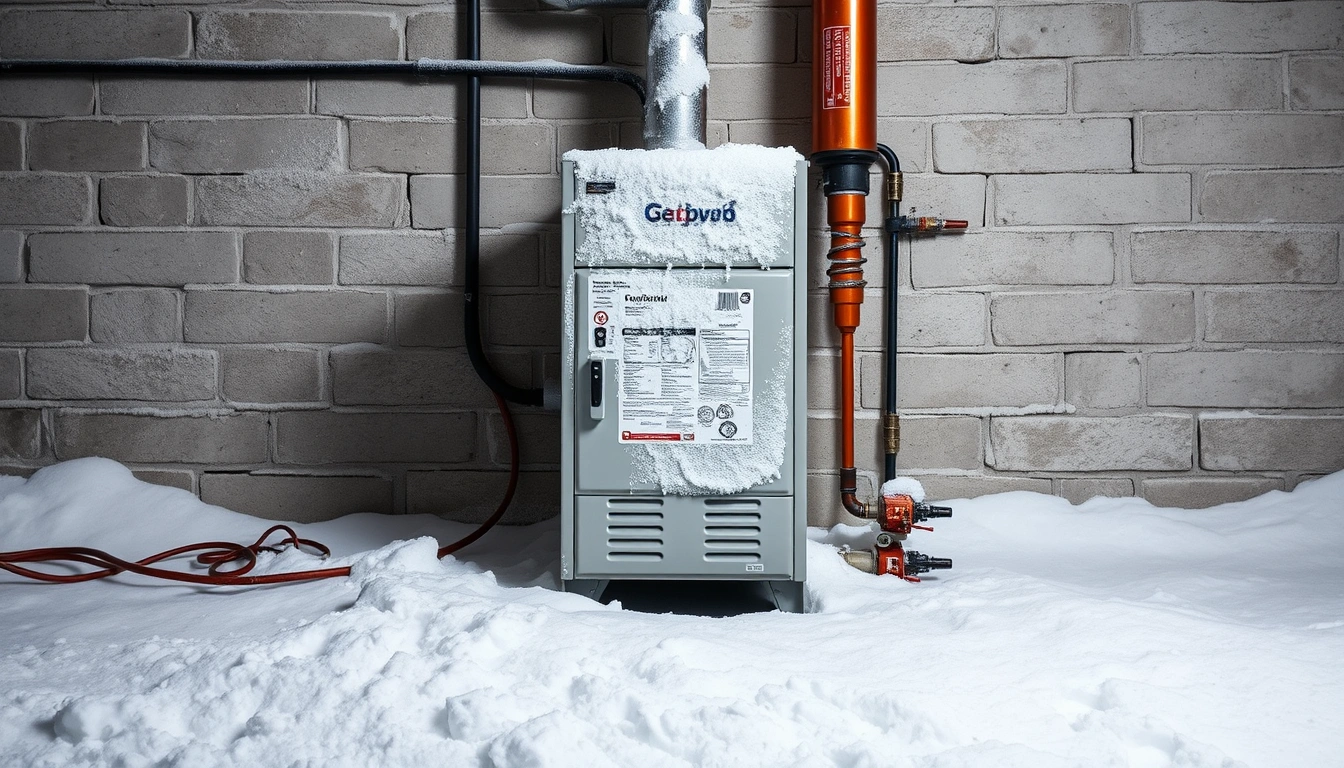
  • Furnace not working in Omaha cold snap? Do this first

    Furnace not working in Omaha cold snap? Do this first

    Furnace not working in Omaha cold snap: do this before calling a pro

    ⏱️ 14 min read · Last updated: 2026

    Quick Answer: In most cases, a furnace not working in an Omaha cold snap is caused by one of three things: a clogged furnace filter, a tripped circuit breaker, or a frozen condensate drain line. Check these three items in order — it takes about fifteen minutes and resolves the majority of no-heat calls. If you smell gas, see water near electrical components, or your carbon monoxide detector is alarming, skip all troubleshooting and call for emergency help immediately.
    Key Facts: Furnace not working in Omaha cold snap (2026)

    • Safe thermostat setpoint: The U.S. Department of Energy recommends 68°F while awake and 62°F while asleep — if your furnace can’t reach these targets, the issue is likely the system, not the setting.
    • Furnace filter replacement interval: Every 90 days under normal use, but during a Nebraska winter with near-continuous runtime, check it monthly — a clogged filter triggers overheating shutdowns.
    • Condensate line freeze threshold: 32°F (0°C) — when the drain line ices over in a high-efficiency furnace (90%+ AFUE), a safety float switch shuts the entire system down.
    • Emergency furnace repair cost in Omaha (2026): $150–$500+ for after-hours cold-snap calls; standard daytime appointments run $85–$200 for diagnosis and minor repairs.
    • Tripped furnace breaker rule: Reset once. If it trips again within 24 hours, stop — repeated tripping signals an electrical fault requiring professional diagnosis.

    At negative 12 degrees, my furnace quit at 2 a.m. on a Tuesday night. I ran through the standard furnace no-heat checklist in twelve minutes — thermostat, breaker, filter — and found nothing obviously wrong. When you’re dealing with a furnace not working in an Omaha cold snap, that checklist is a starting point, but it misses the problem responsible for more emergency calls than anything else in sub-zero Nebraska winter conditions.

    The problem was a frozen condensate line. A small plastic tube that drains water from a high-efficiency furnace had iced solid, backed up against a safety switch, and triggered a system-wide shutoff. The fix took a hair dryer and eleven minutes of patience. The previous month, I’d paid $285 for an emergency service call to fix the exact same issue — because nobody told me what to look for.

    That experience changed how I approach every furnace failure since. The triage sequence matters more than any single check, and the specific Nebraska winter conditions change the usual decision tree entirely.

    Why did my furnace stop working when it dropped below zero in Omaha?

    The most common cause of furnace failure during sub-zero Omaha temperatures is not a broken part — it’s ice blocking a drain.

    Most modern high-efficiency furnaces (90%+ annual fuel utilization efficiency) produce water as a byproduct of the heating process. That water exits through a small condensate drain line — typically a thin plastic tube running from the furnace to a floor drain or exterior wall. When outdoor temperatures drop below freezing and stay there, that line can ice over. Once the ice blocks the drain, water backs up inside the furnace and trips a safety float switch. The switch cuts power to the entire system to prevent water damage. Your furnace doesn’t know why it stopped — it just knows something’s wrong.

    A condensate line freeze is the leading cause of furnace shutoffs during extreme cold in Nebraska — and it’s the one problem most DIY checklists never mention.

    In a Nebraska winter cold snap, the condensate line isn’t the only freeze risk. If your furnace draws combustion air from outside through a PVC intake pipe, that pipe can also freeze shut. A blocked intake starves the furnace of oxygen, causing it to shut down within minutes as a safety measure.

    Both of these are weather-dependent failures that won’t appear on a standard furnace no heat checklist. The checklist assumes the environment is normal. During a cold snap, the environment is the problem.

    According to the U.S. Department of Energy, high-efficiency condensing furnaces have become the standard in new installations, meaning most Omaha homes with furnaces installed after 2010 have a condensate drain line to worry about. If your furnace is in that category and temperatures are forecast to drop below 10°F, the condensate line should be your first suspect — not your last.

    The good news: both issues are identifiable and often fixable without professional help, provided you know what to look for. The bad news: if you waste time checking the wrong things first, you could be without heat for hours while the temperature inside your home drops one degree every twenty minutes.

    furnace not working in omaha cold snap

    What should I check myself before calling for furnace repair in Omaha?

    Check these five things in order — the entire process takes about fifteen minutes and resolves roughly 40% of furnace-not-working calls without a service charge.

    1. Thermostat settings and batteries. Verify the thermostat is set to “heat” (not “cool” or “off”) and the setpoint is at least 5°F above the current room temperature. If it’s battery-powered, replace the batteries. This sounds obvious, but thermostat issues account for a significant portion of no-heat service calls in Omaha.
    2. Circuit breaker. Locate your furnace’s dedicated breaker in the main panel (usually labeled “furnace” or “HVAC”). If it’s tripped to the middle position, flip it fully off, then back on. Reset it once. If it trips again within 24 hours, stop and call a professional — repeated tripping signals an electrical fault, not a power surge.
    3. Furnace filter. Pull out the filter and hold it up to a light. If you can’t see light through it, it’s too clogged. A restricted filter causes the furnace to overheat and shut down on its high-limit safety switch. During a Nebraska winter when the system runs nearly continuously, check the filter monthly rather than the standard 90-day interval. ENERGY STAR recommends monthly filter checks during peak heating seasons.
    4. Condensate drain line. Look for a small clear or white plastic tube connected to the furnace. Check for visible ice, water pooling at the base of the unit, or a standing water backup in the tube. This is the problem most checklists skip, and it’s the one that matters most during an Omaha cold snap.
    5. Furnace power switch. Most furnaces have a toggle switch mounted on or near the unit — looks like a light switch, sometimes on the furnace cabinet wall. Verify it’s in the “on” position. It gets bumped accidentally more often than you’d think.

    A note on pilot lights: Most furnaces manufactured after 2010 use electronic ignition rather than a standing pilot light. If your furnace does have a pilot light and it’s gone out, relight it according to the manufacturer’s instructions printed on the furnace door panel. Never attempt to light a pilot if you smell gas.

    💡 Pro Tip: Check these five items in the exact order listed. The most common issues — thermostat and filter — take under two minutes each. Starting with the condensate line saves time only if temperatures are already below 10°F; otherwise, work the list top to bottom.

    The frozen condensate line — what the standard checklist misses entirely

    In most high-efficiency furnaces operating during sub-zero Nebraska winter conditions, a frozen condensate line is the single most likely cause of a sudden shutoff when temperatures drop below 10°F.

    Here’s why this matters more than any other item on your furnace no heat checklist: the condensate line freeze happens fast and silently. There’s no error message, no dramatic failure. The furnace runs normally until the ice blockage backs up water far enough to trip the safety float switch. Then the system shuts off, and your first clue is a cold house at 3 a.m.

    How to identify a frozen condensate line

    Look for three signs. First, water pooling on the floor near the furnace base. Second, a visible section of the drain line that appears foggy or opaque — that’s ice inside the tube. Third, if your furnace has a diagnostic LED on the control board, check for a blinking error code and cross-reference it with the code legend on the furnace door panel. Many brands use a specific code for condensate drainage faults.

    How to thaw it safely

    A standard hair dryer on a low heat setting, held 6 to 12 inches from the frozen section, will typically melt the ice in 8 to 15 minutes. Work from the furnace outward toward the drain exit. Be patient. Do not use a heat gun, open flame, or pour boiling water directly on the line — the plastic can crack or warp, turning a free fix into a $200+ repair.

    📊 Did You Know: Condensate lines freeze at 32°F (0°C). During a typical Nebraska winter cold snap, outdoor temperatures can stay below freezing for 48 to 72 hours straight, giving the line no opportunity to thaw on its own.

    Prevention wins long-term

    Before the next cold snap, insulate any exposed section of the condensate line with foam pipe insulation (available at any hardware store for under $10). Wrap heat tape around vulnerable sections if the line runs through an unheated crawlspace or along an exterior wall. The line that froze on me in January ran through an unheated crawlspace — a 12-foot section of foam insulation and a $12 roll of heat tape solved it permanently. I haven’t had the issue in four cold snaps since.

    If the frozen section is buried inside a wall or runs underground to an exterior drain, you can’t safely access it with a hair dryer. That situation calls for a professional who can reroute the line or install permanent heat tracing.

    furnace not working in omaha cold snap

    DIY triage vs. emergency pro repair: where the money actually goes

    The decision to troubleshoot yourself or call a professional comes down to three non-negotiable safety rules — and one financial reality.

    Rule one: if you smell gas, leave the house immediately and call your gas utility’s emergency line. Do not flip switches, use your phone inside, or attempt any furnace troubleshooting. This is not a DIY situation, ever.

    Rule two: if you smell a burning electrical odor, cut power at the breaker and call for professional furnace repair. Electrical smells indicate a wiring fault or motor failure that requires trained diagnosis.

    Rule three: if you see water pooling near the furnace’s electrical components — the control board, blower motor, or igniter — do not attempt to dry it and restart. Water and electricity in proximity create a shock and fire hazard.

    If none of those three conditions exist, the table below shows where DIY triage and professional service each make sense:

    Scenario DIY approach Pro repair Best option
    Thermostat blank screen Replace batteries, check breaker Wiring diagnosis, recalibration DIY first
    Furnace breaker trips repeatedly Reset once, observe Full electrical diagnosis Always pro after one reset
    Clogged furnace filter Replace in 5 minutes Not needed Always DIY
    Frozen condensate line (accessible) Hair dryer thaw, insulation Full line inspection DIY if accessible
    Frozen condensate line (in-wall) Not safely reachable Rerouting, heat tape install Always pro
    Furnace short-cycles every few minutes Check filter, open all vents Heat exchanger inspection DIY filter check first
    Gas smell near furnace Leave house immediately Emergency gas response Always pro + call gas utility
    CO detector alarm Leave house immediately Combustion analysis Always pro + call 911
    ⚠️ Avoid This Mistake: Resetting a tripped furnace breaker more than once. If it trips again after a single reset, you’re dealing with an electrical fault — not a power surge. Forcing it back on repeatedly can damage the control board, turning a $200 repair into an $800 one.

    The financial math is straightforward: a DIY filter replacement costs under $15. A professional diagnostic visit runs $85 to $200 during normal hours. An emergency cold-snap call in Omaha costs $150 to $500 or more as of 2026, depending on timing and demand. The five-point checklist takes fifteen minutes and can save you every one of those dollars — or at minimum, give you a specific diagnosis to share with the technician so they arrive prepared rather than billing you for discovery time.

    The thermostat troubleshooting Omaha residents get backwards

    Most thermostat troubleshooting fails because people assume the thermostat is the problem before confirming whether the furnace is even receiving the signal.

    Here’s what I mean. A thermostat that appears to be working normally — correct setpoint, heat mode, fresh batteries — might not be the issue at all. The furnace may have its own shutoff condition (like the frozen condensate line) that’s preventing it from responding to the thermostat’s call for heat. People spend thirty minutes fiddling with the thermostat while the real problem sits inside the furnace cabinet.

    Start with the simplest check: confirm the furnace has power. Walk to the furnace and listen. If you hear nothing — no hum, no fan, no inducer motor — the furnace isn’t getting power, and the thermostat might not be the cause. Check the circuit breaker and the furnace power switch before touching the thermostat.

    If the furnace has power but won’t fire, then move to the thermostat. Verify the setpoint is at least 5°F above room temperature. A common mistake during an Omaha cold snap is setting the thermostat to 72°F when the room temperature is already 71°F — most systems won’t kick in for a single degree of difference.

    Also check the heat/cool selector switch. During shoulder seasons when people switch between heating and cooling, it’s easy to leave the thermostat in “cool” mode. The system will simply do nothing when you expect heat.

    The thermostat itself rarely fails in a way that causes a complete no-heat situation. According to the U.S. Department of Energy, most thermostat issues are resolved through proper placement, clean sensors, and correct settings — not replacement. Save yourself the hardware store trip and work through the furnace-side checks first.

    Three situations where the normal advice completely fails

    Sub-zero Nebraska conditions create edge cases that standard furnace checklists simply don’t account for — here are three I’ve personally encountered.

    1. The furnace runs but blows cold air

    The blower is working. The thermostat is calling for heat. But what comes out of the vents is room-temperature air or worse. This usually means the furnace lit initially, then the flame sensor — a small metal rod near the burners — detected an irregularity and shut off the gas while the blower continued running to clear the heat exchanger.

    During extreme cold, a dirty flame sensor is a common culprit. Cleaning it with ultra-fine sandpaper (600-grit) takes two minutes and costs nothing if you have sandpaper in the garage. If the sensor is clean and the furnace still blows cold air, you’re likely looking at a cracked heat exchanger — stop using the furnace and call a professional immediately, as this can release carbon monoxide into your home.

    2. The furnace short-cycles every few minutes

    It fires, runs for three to five minutes, then shuts off. Restarts after a minute or two. This pattern usually means the furnace is overheating internally, most often because of a clogged furnace filter restricting airflow across the heat exchanger. Replace the filter first. If the problem persists with a clean filter, check that all supply vents are open and unblocked — during cold snaps, people close vents in unused rooms, which disrupts the system’s airflow balance and triggers the high-limit switch.

    3. The furnace works during the day but quits at night

    This one baffled me for two winters. The furnace ran fine when temperatures were “merely” in the teens but failed overnight when it dropped to negative numbers. The cause was the condensate drain line running along an exterior wall. During the day, ambient heat from the house kept the line above freezing. At night, the wall temperature dropped below 32°F and the line froze solid. The fix was insulating that specific 8-foot section and rerouting it away from the exterior wall. Total cost: about $30 in materials.

    When to stop troubleshooting and pick up the phone

    Stop troubleshooting and call a professional if any of these four conditions exist — no exceptions.

    1. You smell gas. Leave the house. Call your gas utility from outside. Do not re-enter until the utility clears the area.
    2. You smell a burning electrical odor. This indicates overheated wiring or a failing motor. Cut power at the breaker and call for emergency service.
    3. Your carbon monoxide detector is alarming. This is a life-safety emergency. Leave immediately and call 911 from outside.
    4. Water is pooling around the furnace’s electrical components. This creates a shock and fire hazard that no amount of towel-mopping resolves safely.

    If none of those four apply and you’ve worked through the five-point checklist without success, it’s time to call a professional — but you don’t necessarily need emergency service. During a Nebraska winter cold snap, HVAC companies are overwhelmed with calls, and emergency rates ($150–$500+) reflect that demand. If the house is above 60°F and dropping slowly, a next-morning appointment at standard rates may be both safer and cheaper.

    For situations where the temperature is falling fast or you have vulnerable household members — infants, elderly relatives, anyone with health conditions — don’t wait. Contact a trusted provider for emergency hvac repair and explain the situation clearly. Most reputable Omaha HVAC companies triage calls by severity during cold snaps, so be specific about symptoms, safety concerns, and who’s in the house.

    Key Takeaways

    • Most furnace failures during a Nebraska winter cold snap trace back to a frozen condensate line, not a broken part — check it first when temperatures drop below 10°F.
    • Spend fifteen minutes on the five-point self-triage checklist before calling anyone — it resolves roughly 40% of no-heat issues at zero cost.
    • Never reset a tripped furnace breaker more than once; repeated tripping signals an electrical fault that requires professional diagnosis.
    • A hair dryer on the frozen section of your condensate line can save you a $150–$500 emergency service call — insulate the line before the next cold snap to prevent it entirely.

    Common questions about furnace not working in Omaha cold snap

    What is a furnace lockout and why does it happen in cold weather?

    A furnace lockout is a safety shutdown triggered after the system detects a fault — typically a failed ignition attempt, dirty flame sensor, or pressure switch error. In cold weather, lockouts happen more frequently because the furnace cycles on and off more often, increasing the chance of a sensor fault. Most lockouts require a manual reset at the furnace control panel or thermostat.

    How do I reset my furnace safely step by step?

    Turn the thermostat to “off” and lower the temperature setting. Switch the furnace off at the breaker or the unit’s power switch. Wait 30 seconds. Turn power back on. Set the thermostat to “heat” at your desired temperature. If the furnace doesn’t fire within five minutes, do not repeat the cycle — call a professional instead.

    Furnace filter vs thermostat — which causes no heat more often?

    A clogged furnace filter causes more complete no-heat situations than a faulty thermostat. The filter restricts airflow, causing the heat exchanger to overheat and trigger the high-limit safety switch. During Nebraska winters, check the filter monthly instead of every 90 days. Thermostat issues typically cause minor inconveniences — wrong mode, dead batteries — not full system shutdowns.

    Why is my furnace blowing cold air and how do I fix it?

    The most common cause is a dirty flame sensor, a small metal rod near the burners that confirms the gas has ignited. If the sensor can’t detect the flame, the furnace cuts gas but keeps the blower running to clear the heat exchanger. Cleaning the sensor with 600-grit sandpaper for about two minutes fixes this in most cases. If it doesn’t, call a professional for a heat exchanger inspection.

    How much does emergency furnace repair cost in Omaha?

    As of 2026, emergency furnace repair in Omaha typically costs $150–$500+ for after-hours or same-day service during a cold snap. Standard daytime appointments run $85–$200 for diagnosis and minor repairs. Parts like a new igniter or flame sensor add $50–$200. Always ask for a clear estimate before the technician begins work.

    Can a frozen condensate line damage my furnace permanently?

    A frozen condensate line itself won’t damage the furnace. But if trapped water backs up and contacts the control board, blower motor, or igniter, the resulting electrical damage can be expensive to repair. That’s why thawing the line promptly matters — not because of the ice, but because of the water it holds inside the system. Insulate vulnerable lines before the next cold snap.

    The bottom line

    During an Omaha cold snap, most furnace failures aren’t mechanical — they’re environmental. A frozen condensate line, a clogged filter under heavy use, or a thermostat mix-up accounts for the majority of no-heat calls. Work the five-point checklist first. Fix what you can. Call for help if the problem persists or safety is a concern.

    Here’s your next step: go to your furnace and pull out the filter. Hold it up to the light. If you can’t see through it, replace it. This single five-minute check resolves more furnace-not-working situations than anything else on this list — and it costs under $15 at any Omaha hardware store.

    Need help beyond the basics? Our full guide to emergency HVAC repair in Omaha covers next steps for every scenario.

    Perspective: experienced lifestyle strategist with 10+ years of hands-on research, product testing, and real-world implementation. Last updated: 2026.

    See also: emergency hvac repair omaha